
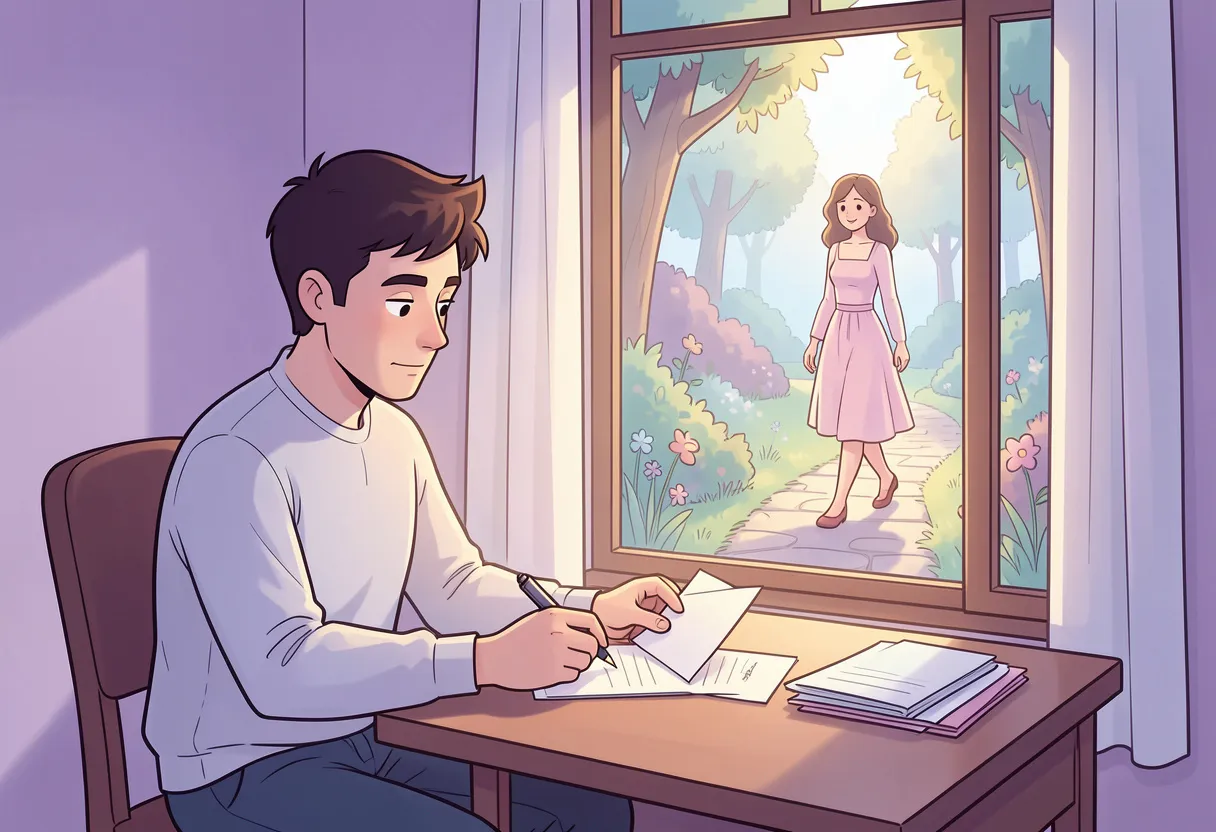
Ending a love letter is like the final scene of a romantic movie. Everything you wrote before leads to this moment; the closing lines that linger in the reader’s heart long after they finish reading. While the body of the letter expresses your feelings, the ending leaves the emotional echo. It’s the difference between a conversation that fades away and one that keeps replaying in someone’s mind.
Think about it this way: if a love letter were music, the ending would be the last chord that vibrates through the room. That final note can be soft and comforting, passionate and hopeful, or mysterious and intriguing. Even without saying the word “love,” the right closing can communicate affection more deeply than the word itself.
Relationship communication experts often emphasize authenticity in romantic messages. Instead of chasing poetic perfection, sincerity resonates most with readers and partners alike. According to relationship advice experts, authentic expressions feel more meaningful than copied romantic phrases because they sound like the writer’s true voice.
Ending a love letter without using the word “love” can actually make your message feel more intimate. Why? Because it invites the reader to feel your emotions between the lines. A carefully crafted closing; whether it hints at longing, gratitude, or admiration; can say everything without saying the obvious. And sometimes, what’s unsaid speaks louder than what’s written.
Emotional Impact of a Memorable Closing
A memorable love letter ending doesn’t just wrap up your message; it amplifies its emotional impact. Imagine reading a heartfelt letter only to reach a cold ending like “Best regards.” It would feel like a beautiful song that suddenly stops mid-note. The closing line is your chance to leave warmth, tenderness, and emotional resonance behind.
Emotionally powerful endings often revolve around shared experiences or meaningful sentiments. For instance, recalling a special memory or expressing appreciation can create a sense of connection that lingers long after the letter is read. According to relationship writing guides, gratitude and anticipation for future moments are among the most powerful ways to conclude romantic letters.
Psychologically, endings matter because they activate something known as the “recency effect.” This concept suggests that people remember the last part of a message more clearly than earlier parts. In other words, the final words you write may become the most memorable part of your letter.
That’s why the closing should feel intentional rather than rushed. Whether you choose a poetic line, a playful inside joke, or a sincere wish for the future, your ending becomes a quiet emotional promise. It tells the reader: this connection matters, and it’s worth remembering.
Why Some People Avoid Saying the Word “Love”
Emotional Timing in Relationships
Not everyone feels comfortable using the word “love” right away. Sometimes emotions are still growing, and saying the word can feel premature or intimidating. In early stages of a relationship, people may prefer to express affection in subtler ways while allowing the bond to develop naturally.
Ending a love letter without using that word can actually create a sense of gentle emotional honesty. Instead of declaring something you’re unsure about, you communicate genuine care, admiration, and appreciation. This approach can feel more authentic and less pressured.
Think of it like planting a seed rather than forcing a flower to bloom. When feelings are expressed gradually; through thoughtful words and meaningful gestures; they often grow stronger. A heartfelt letter that avoids dramatic declarations can still be deeply romantic because it leaves space for emotions to evolve.
In fact, many people find subtle affection more powerful than grand declarations. Saying things like “You mean more to me than you realize” or “I’m grateful our paths crossed” communicates warmth without forcing a label on the relationship.
Cultural and Personal Reasons
Beyond emotional timing, cultural and personal beliefs can also influence how people express affection. In some cultures, openly saying “I love you” in writing might feel overly intense or unnecessary. Instead, affection is communicated through actions, memories, and thoughtful words.
Personality also plays a role. Some individuals are naturally reserved and prefer understated expressions of emotion. For them, a simple line like “You’ve changed my world in the best way” may feel far more genuine than a dramatic declaration.
There’s also the element of creativity. Avoiding the word “love” challenges writers to think more deeply about their feelings. Rather than relying on one powerful word, they explore metaphors, stories, and emotional descriptions that reveal their affection in unique ways.
Ironically, these creative expressions can feel even more romantic. After all, anyone can say “I love you.” But describing how someone brightens your darkest days or makes ordinary moments extraordinary? That kind of expression carries emotional depth that a single word sometimes can’t capture.
Core Principles for Ending a Love Letter Beautifully
Authenticity Over Poetry
When writing the ending of a love letter, authenticity matters more than poetic brilliance. Many people worry about crafting the “perfect” romantic line, imagining something that sounds like it came from a classic novel or movie. But the truth is, authenticity beats perfection every time.
Relationship experts emphasize that genuine, personal language resonates more deeply than borrowed romantic phrases. When your words sound natural and sincere, the reader can feel the emotion behind them.
Think about conversations you’ve had with someone special. The moments that felt most meaningful probably weren’t scripted or poetic; they were honest and spontaneous. A love letter should capture that same authenticity.
Instead of trying to sound dramatic, imagine you’re speaking directly to the person. If you’d normally say something like “You make my days brighter,” write exactly that. Simple language often carries more emotional power than elaborate metaphors.
Authenticity also means embracing imperfections. A slightly awkward but heartfelt line can feel far more touching than a polished but impersonal sentence. The goal isn’t literary perfection; it’s emotional connection.
Focusing on Feelings Rather Than Words
Many people overthink the wording of romantic messages. They get stuck searching for the “right phrase,” worrying that the wrong wording will weaken the message. But in reality, emotional honesty matters far more than vocabulary.
Instead of focusing on specific words like “love,” focus on the feelings you want to convey. Do you want to express gratitude? Longing? Admiration? Hope for the future? Once you identify the emotion, the words tend to flow naturally.
For example, saying “I’m grateful every day that you’re part of my life” communicates deep affection without using the word love. Similarly, “I can’t wait to see where this journey takes us” suggests commitment and excitement.
When you write from emotion rather than obligation, the letter feels alive. The reader senses that the words came from a genuine place rather than a checklist of romantic clichés.
In many ways, this approach transforms the love letter into something more personal and memorable. Instead of repeating phrases heard a thousand times before, you create a message that reflects your unique connection.
7 Heartfelt Ways to End a Love Letter Without Saying Love
Express Gratitude
Gratitude is one of the most powerful emotional signals in relationships. Ending a love letter with appreciation shows that you recognize the value the other person brings to your life. It shifts the focus from abstract emotion to real experiences and moments.
For example, you might write about how their presence changed your perspective, supported you during difficult times, or filled your everyday life with unexpected joy. Gratitude acknowledges that their existence has made your world better.
A closing line like “Thank you for being the brightest part of my days” can convey deep affection without ever mentioning the word love. The sentiment feels sincere because it highlights specific emotional impact.
Gratitude also reinforces mutual connection. Instead of focusing solely on your feelings, you show appreciation for who they are and what they bring into the relationship.
Share a Meaningful Memory
Memories are emotional anchors. When you end a letter with a shared memory, you remind the reader of moments that shaped your connection. Whether it’s a spontaneous road trip, a late-night conversation, or a simple walk together, memories carry emotional weight.
A closing line like “I still smile every time I remember that rainy afternoon we spent talking for hours” can instantly transport the reader back to that moment. It’s like opening a small window into your shared history.
This technique works beautifully because it connects emotion to experience. Instead of stating feelings directly, you let the memory reveal them.
Recommended Reading: 55+ Mother’s Day Messages To Mom
Look Forward to the Future
Anticipation is a powerful romantic emotion. When you end a love letter by looking forward to future moments, you create a sense of excitement and continuity.
You might write about upcoming plans, dreams you share, or simple moments you can’t wait to experience again. A line like “I’m counting the days until our next adventure together” suggests commitment and enthusiasm.
According to relationship writing advice, expressing anticipation keeps the emotional connection alive and creates a forward-looking tone.
Offer Emotional Support
Sometimes the most meaningful closing is one that reassures the other person they’re not alone. Words of support demonstrate care, loyalty, and emotional presence.
A sentence like “No matter what comes our way, I’ll always be in your corner” communicates unwavering support. It’s a quiet promise that builds trust and emotional security.
Use Gentle Longing
Longing adds a touch of romantic vulnerability. Expressing that you miss someone or wish they were nearby creates a subtle but powerful emotional connection.
A closing like “Until the next time I get to see your smile…” leaves the letter suspended in anticipation. It suggests affection while maintaining softness and mystery.
Highlight What They Mean to You
Sometimes the most powerful closing simply acknowledges the importance of the person in your life. Instead of declaring love, you express how meaningful they are.
Lines like “You’ve become one of the most important parts of my world” or “My days feel brighter because you’re in them” communicate deep emotional value.
Leave a Romantic Mystery
Mystery can be incredibly romantic. Ending your letter with a line that invites interpretation can make it memorable and intriguing.
For example:
“Some feelings are too big for words, so I’ll let this letter hold them for now.”
It leaves the reader wondering; and feeling.
Romantic Sign-Off Examples Without Saying Love
Simple and Sweet Closings
| Romantic Closing | Meaning |
|---|---|
| Thinking of you always | Continuous affection |
| Forever yours | Commitment |
| With all my heart | Deep emotional sincerity |
| Always yours | Loyalty and connection |
| Yours truly | Personal dedication |
Deep Emotional Closings
| Emotional Closing | Feeling Conveyed |
|---|---|
| You mean more to me than words can say | Deep affection |
| Grateful for every moment with you | Appreciation |
| Until we meet again | Anticipation |
| Always holding you close in my thoughts | Emotional closeness |
Playful Romantic Closings
| Playful Ending | Tone |
|---|---|
| Yours with a smile | Lighthearted affection |
| Counting the days | Excited anticipation |
| Your favorite troublemaker | Playful intimacy |
Mistakes to Avoid When Ending a Love Letter
Overused Clichés
Romantic clichés might sound beautiful, but they often feel impersonal. Phrases that appear in countless greeting cards can weaken the sincerity of your message. When readers encounter overly familiar lines, they may feel like the words weren’t written specifically for them.
The goal of a love letter is intimacy. Instead of copying phrases from movies or songs, try to express emotions in your own voice. Even a simple line written from the heart carries more emotional weight than a borrowed quote.
Abrupt or Formal Closings
Ending a love letter with overly formal phrases like “Sincerely” or “Best regards” can feel strangely cold. Relationship writing guides warn that formal closings create emotional distance rather than intimacy.
Your closing should feel like a gentle emotional landing, not a sudden stop.
How to Personalize the Perfect Ending
The secret to an unforgettable love letter ending lies in personalization. Every relationship has its own language; shared jokes, favorite memories, little phrases only the two of you understand. Incorporating these details transforms a generic message into something deeply meaningful.
Think about moments that define your connection. Maybe it’s the way they laugh at your terrible jokes, the quiet comfort of sitting together in silence, or the adventures you’ve shared. Referencing these details makes your closing feel intimate and unique.
You can also personalize your sign-off with nicknames or private phrases. Something as simple as “Your midnight conversation partner” or “The person who still owes you a movie night” can carry emotional warmth.
Personalization works because it shows effort. It proves the letter wasn’t written for anyone else; it was written specifically for them.
Conclusion
Ending a love letter without saying the word “love” is not a limitation; it’s an opportunity. It challenges you to express affection in more creative, personal, and meaningful ways. Through gratitude, memories, anticipation, and heartfelt sincerity, you can communicate emotions that feel deeper than a single word ever could.
The best closings aren’t dramatic declarations. They’re quiet moments of honesty that reflect the connection you share. A thoughtful final line can leave a lasting impression, making the reader feel seen, valued, and cherished.
When writing your own letter, remember this simple truth: authenticity is the most romantic language of all.
FAQs
1. Can a love letter be romantic without saying “love”?
Absolutely. Romantic feelings can be expressed through gratitude, memories, admiration, and emotional connection without explicitly using the word.
2. What is the best closing for a romantic letter?
Closings like “Forever yours,” “Thinking of you,” or “Until our next adventure” are popular choices that convey affection without directly saying love.
3. Why avoid saying “I love you” in a love letter?
Sometimes relationships are still developing, or the writer prefers subtle expressions of emotion. Avoiding the phrase can make the message feel more natural and less pressured.
4. Should a love letter ending be short or long?
The ending should be concise but meaningful. One or two heartfelt lines are usually enough to leave a lasting impression.
5. How can I make my love letter ending more personal?
Reference shared memories, use nicknames, or mention future plans together. Personal touches make the closing feel authentic and unique.

Amrit Stanley is an American content writer who specializes in crafting engaging articles, promotional posts, and meaningful messages that resonate with readers. With a natural talent for storytelling and persuasive writing, he focuses on creating content that feels authentic, relatable, and emotionally engaging. Amrit enjoys turning simple ideas into impactful words that inspire, motivate, and connect with audiences. Through his work, he aims to deliver content that is not only informative but also memorable—whether it’s a thoughtful article, a compelling promotional piece, or a message that leaves a lasting impression.