

Reassurance is one of those quiet emotional needs that many people experience but rarely talk about openly. At its core, reassurance simply means receiving confirmation that things are okay; whether it’s hearing that someone cares about you, that your relationship is stable, or that your fears aren’t becoming reality. Think of reassurance like emotional oxygen; most of the time we breathe without thinking, but when something feels uncertain, suddenly we need more of it.
In relationships, reassurance can take many forms. It might be a simple “I’m proud of you,” a reminder that someone still loves you, or confirmation that the relationship is secure. These small emotional signals help people feel safe, valued, and connected. Psychologists often emphasize that reassurance isn’t just about words; it can also appear through actions, body language, and consistent behavior. For example, thoughtful gestures or spending quality time together can communicate reassurance just as powerfully as verbal affirmation.
Healthy reassurance strengthens trust and emotional closeness between people. When partners, friends, or family members reassure each other, it creates a sense of emotional stability that allows relationships to grow. Instead of guessing how someone feels about you, reassurance removes doubt and replaces it with clarity.
Understanding this concept is the first step toward communicating your needs. Asking for reassurance isn’t weakness; it’s simply a form of emotional honesty.
Why People Need Reassurance Sometimes
Everyone experiences moments of insecurity, doubt, or anxiety. Even the most confident person occasionally needs reassurance. Life is full of uncertainties; career changes, relationship stress, family problems, or personal insecurities; and during these moments people naturally seek emotional support from those they trust.
One common reason people need reassurance is emotional vulnerability. When someone shares their life with another person, they become emotionally invested. That emotional investment creates the possibility of being hurt or rejected. Reassurance helps reduce that fear by reminding someone that they are valued and cared for.
Another reason reassurance becomes important is past experience. People who have experienced rejection, betrayal, or emotional neglect may become more sensitive to uncertainty in relationships. These past experiences can create internal doubts that surface when communication becomes unclear. Experts note that people with anxious attachment styles may feel stronger needs for reassurance because they fear abandonment or emotional distance.
Reassurance also plays a role during stressful periods of life. When someone faces challenges; like work pressure, health issues, or personal struggles; they may seek reassurance to regain emotional balance. Hearing supportive words can help calm anxiety and restore confidence.
Ultimately, needing reassurance is part of being human. It reflects a desire for connection, understanding, and emotional security.
Signs You Might Need Reassurance
Emotional and Behavioral Clues
Sometimes people struggle to recognize when they actually need reassurance. They may feel uneasy or insecure without fully understanding why. Recognizing these emotional signals can help you communicate your needs more effectively before misunderstandings arise.
One of the most common signs is overthinking. When someone repeatedly analyzes conversations, messages, or behaviors, it often signals uncertainty about the relationship or situation. Questions like “Did I say something wrong?” or “Are they upset with me?” can circulate endlessly in the mind.
Another clue is emotional sensitivity. You might feel unusually worried when someone takes longer than usual to respond to a message or when their tone changes slightly. These small situations can trigger large emotional reactions because they activate underlying fears.
People who need reassurance may also seek subtle confirmation from others. For example, they might ask indirect questions like “Are you mad at me?” or “Do you still like spending time with me?” These questions often reflect deeper emotional concerns rather than simple curiosity.
Recognizing these behaviors doesn’t mean something is wrong with you. Instead, they serve as signals that your emotional system is asking for clarity and comfort.
Healthy Ways to Tell Someone You Need Reassurance
Start with Self-Awareness
Before asking someone for reassurance, it helps to understand what you’re actually feeling. Are you worried about the relationship? Feeling insecure about yourself? Experiencing stress from something unrelated?
Self-awareness allows you to communicate clearly rather than reacting emotionally. When you identify your emotions, you can explain them in a way that helps the other person understand your perspective.
For example, instead of saying “You never reassure me,” you might say, “I’ve been feeling a little anxious lately and I think I just need some reassurance.” This approach invites understanding rather than defensiveness.
Taking a moment to reflect on your feelings can transform the conversation from conflict into connection.
Use “I” Statements Instead of Blame
One of the most effective communication strategies is using “I” statements. This means expressing how you feel rather than accusing the other person of causing the problem.
For example:
- I’ve been feeling a little uncertain lately.
- I think I just need some reassurance right now.
- I feel anxious when I don’t hear from you for a while.

Psychologists recommend this method because it focuses on emotions rather than blame. It helps the other person understand your feelings without feeling attacked.
“I” statements create a safe environment for honest communication, making it easier for both people to discuss emotional needs.
Be Clear About What You Need
Sometimes people expect others to read their minds. Unfortunately, that rarely works. Being specific about what you need can prevent confusion and frustration.
For example, you might say:
- Can you remind me that we’re okay?
- I could really use some encouragement today.
- I need to hear that you still believe in me.

Clarity helps the other person respond effectively. When people understand what you need, they’re far more likely to provide meaningful support.
Examples of How to Ask for Reassurance
In Romantic Relationships
Romantic relationships often involve deeper emotional vulnerability than other types of relationships. Because of this, reassurance can play a particularly important role.
Healthy reassurance conversations might sound like this:
- I’ve been feeling a little insecure lately. Could you remind me how you feel about us?
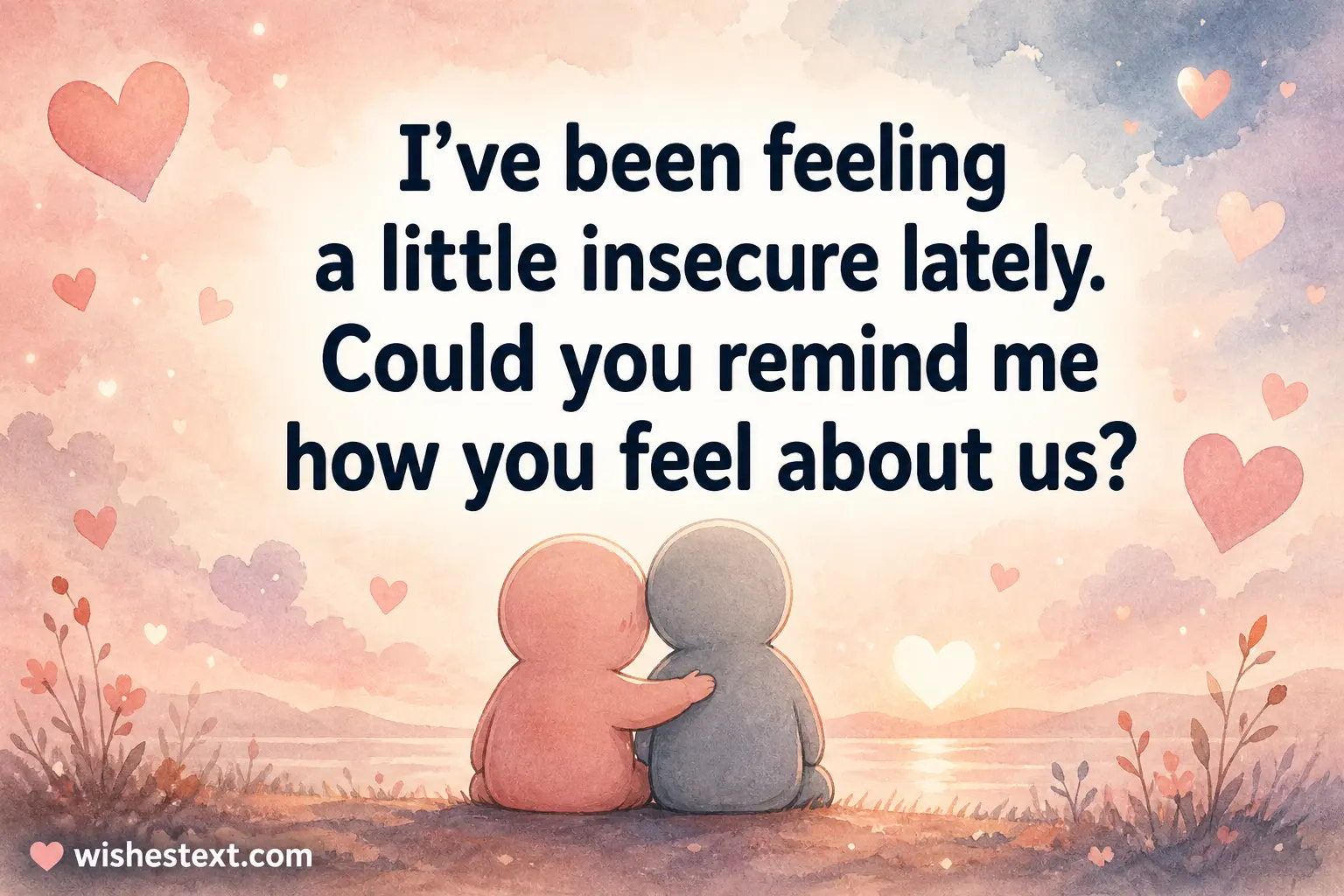
- Work has been stressful and I just need some emotional support today.
- I know this might sound silly, but hearing that you love me would mean a lot right now.
These statements express vulnerability without blame. They invite connection rather than conflict.
With Friends or Family
Reassurance isn’t limited to romantic relationships. Friends and family can also provide emotional support.
Examples include:
- I’ve been doubting myself lately; can you remind me that I’m doing okay?
- I’m feeling overwhelmed. Can you tell me if you think I’m handling things well?
- I just need someone to talk to right now.

These conversations strengthen emotional bonds and create deeper trust.
Mistakes to Avoid When Seeking Reassurance
Avoid Accusations and Pressure
When people feel anxious, they sometimes express their feelings through criticism or accusations. For example, saying “You never care about my feelings” may cause the other person to become defensive rather than supportive.
Healthy reassurance conversations focus on feelings rather than blame.
Don’t Rely on Constant Validation
Reassurance can be helpful, but relying on it constantly may create unhealthy patterns. Experts suggest balancing reassurance from others with self-confidence and emotional independence.
Developing internal confidence ensures that reassurance supports relationships rather than becoming the only source of emotional security.
Building Emotional Security Without Over-Asking
Self-Reassurance Techniques
While reassurance from others is valuable, learning to reassure yourself is equally important. Self-reassurance involves calming your own fears through self-reflection and positive thinking.
Some helpful strategies include:
- Journaling about your emotions
- Practicing mindfulness or meditation
- Reminding yourself of past successes
- Challenging negative thoughts
These habits strengthen emotional resilience and reduce anxiety.
Strengthening Communication in Relationships
Strong communication forms the foundation of emotional security. Couples and friends who regularly share their feelings build trust and understanding over time.
This means discussing fears, expectations, and emotional needs openly rather than waiting until problems arise.
When communication becomes a regular habit, reassurance naturally becomes part of the relationship.
Conclusion
Telling someone you need reassurance can feel uncomfortable at first, but it’s one of the most honest and healthy forms of emotional communication. Reassurance isn’t about weakness or insecurity; it’s about connection, understanding, and trust.
When people learn to express their emotional needs clearly, relationships become stronger and more supportive. Instead of hiding vulnerability, embracing it allows deeper bonds to develop.
Healthy reassurance starts with self-awareness, honest communication, and mutual respect. When both people feel safe sharing their emotions, reassurance becomes something natural rather than something difficult to ask for.
Recommended Post: 60+ Loss Of Sister Messages
FAQs
1. Is it okay to ask someone for reassurance?
Yes. Asking for reassurance is completely normal in relationships. Everyone experiences moments of insecurity or doubt, and expressing these feelings can strengthen emotional connection.
2. How often should you ask for reassurance?
Occasional reassurance is healthy, but relying on it constantly may indicate deeper insecurity or anxiety that might require personal reflection or professional support.
3. What if someone reacts negatively when I ask for reassurance?
If someone reacts negatively, try explaining why reassurance matters to you. If they consistently dismiss your emotional needs, it may be worth reevaluating communication in the relationship.
4. Can needing reassurance be a sign of anxiety?
Yes. Anxiety and past experiences can increase the need for reassurance, especially in situations involving emotional vulnerability.
5. How can I stop needing reassurance so much?
Building self-confidence, practicing self-reassurance techniques, and improving communication skills can help reduce the need for constant external validation.

Amrit Stanley is an American content writer who specializes in crafting engaging articles, promotional posts, and meaningful messages that resonate with readers. With a natural talent for storytelling and persuasive writing, he focuses on creating content that feels authentic, relatable, and emotionally engaging. Amrit enjoys turning simple ideas into impactful words that inspire, motivate, and connect with audiences. Through his work, he aims to deliver content that is not only informative but also memorable—whether it’s a thoughtful article, a compelling promotional piece, or a message that leaves a lasting impression.