

Before we jump into messages and examples, let’s be honest about something: appreciation at work is often overlooked. People assume bosses don’t need recognition, but leadership can be just as demanding as any role in a company. A supportive manager guides the team, solves problems, encourages growth, and often carries pressure that employees never see. That’s why sending a thoughtful appreciation message to your boss can make a surprisingly big impact.
Workplace research shows how powerful recognition truly is. In fact, 81% of employees say they work harder when their boss shows appreciation, and 65% believe recognition from a direct manager is extremely important.
But appreciation isn’t a one-way street. Leaders also value gratitude, and many rarely receive it from their teams.
Think of appreciation as the oil in a machine. Without it, things still move; but they grind, slow down, and eventually break. With it, everything runs smoother. A simple message can strengthen relationships, build trust, and create a culture where people feel valued.
In this guide, you’ll discover thoughtful appreciation messages for bosses, when to send them, how to personalize them, and why they matter more than you might think.
The Importance of Showing Appreciation to Your Boss
Showing appreciation to your boss isn’t about flattery or workplace politics. It’s about acknowledging leadership and recognizing the effort someone invests in guiding a team. Just as employees want recognition for their contributions, managers also benefit from positive feedback.
Studies reveal that recognition dramatically affects workplace engagement. Employees who feel appreciated are 3.7 times more likely to be engaged at work and significantly less likely to experience burnout.
This culture of appreciation often starts from the top; but it thrives when it flows both ways.
When employees express gratitude to their boss, several things happen:
- It strengthens trust and communication.
- It builds mutual respect between leaders and teams.
- It reinforces positive leadership behaviors.
Imagine a coach who never hears from their players whether their guidance helped them win. Over time, that silence becomes discouraging. The same happens in the workplace. A simple thank-you message can remind a boss that their leadership matters.
Beyond emotional benefits, appreciation can also influence company culture. Organizations where people feel recognized are 21% more successful and have higher employee retention.
So appreciation isn’t just a kind gesture; it’s a powerful leadership tool.
When Should You Send Appreciation Messages to Your Boss?
Timing matters when expressing gratitude. While appreciation can be given anytime, certain moments make the message even more meaningful. Choosing the right time shows sincerity and thoughtfulness.
After a Successful Project
Completing a challenging project often requires strong leadership. If your boss provided guidance, support, or motivation during the process, it’s the perfect opportunity to say thank you. A message after a major milestone highlights their role in the success.
During Special Occasions
Certain occasions naturally invite appreciation. These might include:
- Work anniversaries
- Promotions
- Leadership awards
- Boss’s Day
- End-of-year celebrations
These moments are ideal for acknowledging the positive impact your boss has had on your professional journey.
After Personal Support or Mentorship
Sometimes appreciation goes beyond professional achievements. Maybe your boss encouraged you during a difficult time or helped you develop new skills. Sending a message in those moments shows genuine gratitude.
The key is authenticity. Appreciation shouldn’t feel forced or routine; it should reflect a real moment where leadership made a difference.
Key Elements of a Genuine Appreciation Message
Writing appreciation messages may sound simple, but crafting one that feels sincere requires a bit of thought. The difference between a generic message and a meaningful one lies in the details.
Be Specific
Instead of saying “Thanks for everything,” mention exactly what your boss did. Specific recognition shows that you truly noticed their effort.
For example:
- “Thank you for guiding our team through the product launch. Your clear direction made the process much smoother.”

Keep It Authentic
People can easily detect insincerity. Avoid exaggeration or overly formal language. Write as if you’re speaking directly to your boss.
Highlight Impact
Explain how their leadership influenced you or the team. This adds emotional weight to the message.
Example:
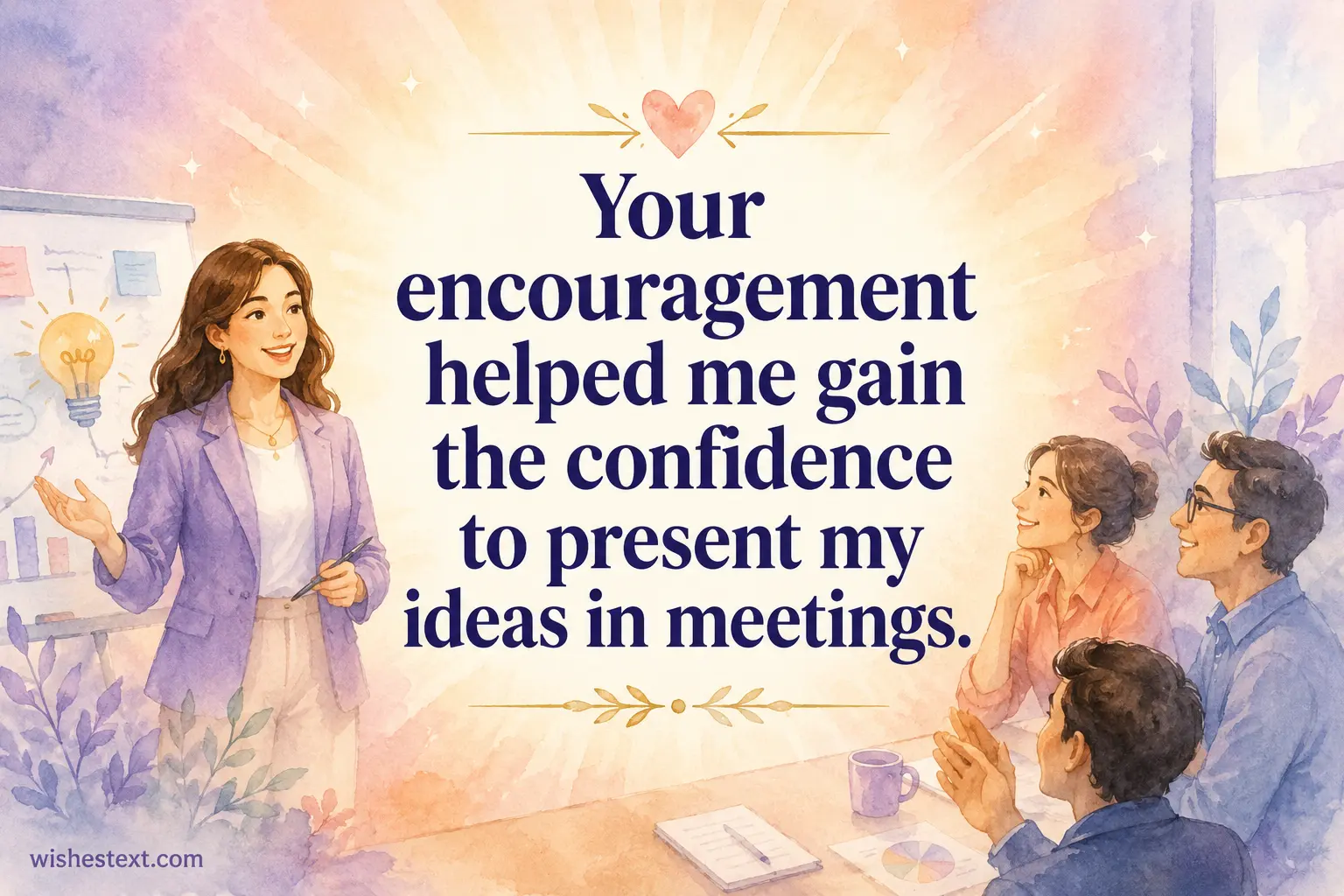
- “Your encouragement helped me gain the confidence to present my ideas in meetings.”
Stay Professional
Even if you have a friendly relationship with your boss, keep the tone respectful. Appreciation messages should reflect workplace professionalism.
By combining sincerity, specificity, and respect, your message becomes something memorable instead of something forgettable.
Short Appreciation Messages for Boss
Sometimes the simplest messages are the most powerful. A short note can brighten someone’s day without sounding overly formal or complicated.
Here are some concise examples:
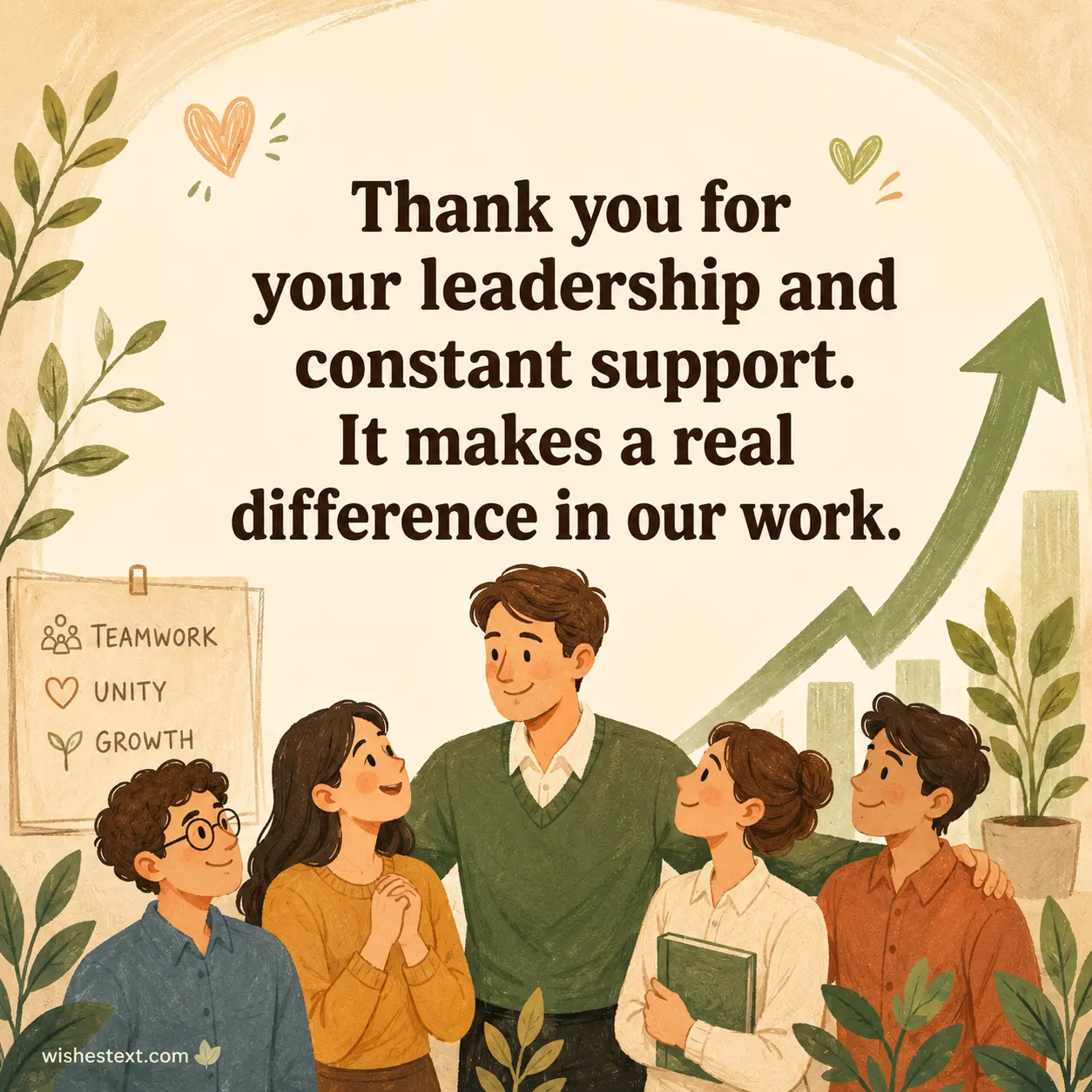
- Thank you for your leadership and constant support. It makes a real difference in our work.
- I appreciate your guidance and the trust you place in our team.
- Working under your leadership has been a great learning experience.
- Your encouragement motivates us to do our best every day.
- Thank you for always recognizing our efforts and pushing us to grow.
Short messages work well for emails, chat platforms, or handwritten notes. They are quick to write but still carry genuine meaning.
In busy workplaces, even a few words of appreciation can stand out. After all, over half of employees say they haven’t received a simple “thank you” from their boss in over a month, highlighting how rare recognition can be.
Professional Appreciation Messages for Boss
Sometimes you need a more formal message; especially in professional settings like emails, speeches, or company events.
Here are examples of professional appreciation messages:
1. Leadership Recognition
“Thank you for your exceptional leadership and dedication to the team. Your vision and guidance inspire us to consistently achieve our goals.”
2. Mentorship Appreciation
“I am grateful for the mentorship you’ve provided throughout my time here. Your insights have helped me grow both professionally and personally.”
3. Team Motivation
“Your ability to motivate and unite the team is truly admirable. Thank you for creating an environment where everyone feels valued.”
4. Professional Development
“Your support and encouragement have played a huge role in my career growth. I appreciate the opportunities you’ve given me to develop my skills.”
These messages are ideal for professional environments where appreciation needs to maintain a polished tone.
Appreciation Messages for Boss on Special Occasions
Certain moments deserve more thoughtful messages. Special occasions allow employees to express deeper gratitude for leadership and mentorship.
Boss’s Day Message
“Happy Boss’s Day! Thank you for being such an inspiring leader. Your guidance, patience, and dedication make our workplace better every day.”
Work Anniversary Message
“Congratulations on your work anniversary. Your leadership has been instrumental in our team’s success, and we are grateful for everything you do.”
Promotion Congratulations
“Congratulations on your well-deserved promotion! Your leadership and commitment have always inspired the team, and we’re excited to see what you accomplish next.”
Retirement Appreciation
“As you begin a new chapter, we want to thank you for your incredible leadership and the positive impact you’ve had on all of us. Your legacy will continue to inspire our work.”
These messages celebrate milestones while acknowledging the lasting impact of leadership.
Funny Appreciation Messages for Boss
Not every workplace message has to be serious. If your office culture allows humor, a lighthearted appreciation message can make your boss smile.
Examples include:
- Thanks for being a boss who actually deserves the title. We promise we’re not just saying that because you approve our vacation requests!

- Your leadership keeps us motivated; and occasionally keeps us from losing our minds during deadlines.
- Thanks for leading the team with wisdom, patience, and just the right amount of coffee.
Humor should always remain respectful. The goal is to make someone smile, not to cross professional boundaries.
Find More: How To Tell Someone You Need Reassurance
How to Write a Personalized Appreciation Message
Generic messages are easy to forget, but personalized ones leave a lasting impression. When writing appreciation messages for your boss, think about the specific ways they’ve influenced your career.
Start by reflecting on moments where their leadership made a difference. Did they help you overcome a challenge? Did they encourage your professional development? Did they support the team during a stressful project?
A personalized message might look like this:
“Thank you for believing in my abilities and encouraging me to take on leadership responsibilities in the recent project. Your trust gave me the confidence to grow, and I truly appreciate your mentorship.”
Personalization works because it connects appreciation to real experiences.
The Impact of Appreciation in Workplace Culture
Appreciation isn’t just about politeness; it shapes workplace culture. When gratitude becomes part of daily interactions, it transforms the environment.
Research shows that employees who feel appreciated are five times more likely to feel valued and seven times more likely to stay with their organization longer.
Recognition also strengthens trust in leadership. Studies indicate that appreciation from managers can increase trust levels by up to 53% within teams.
Think of workplace appreciation like a ripple in water. One small gesture spreads outward, influencing morale, collaboration, and productivity.
When employees thank their bosses; and bosses appreciate their teams; everyone benefits.
Appreciation Messages for Boss vs. Appreciation Messages for Managers
Although the terms “boss” and “manager” are often used interchangeably, there can be subtle differences in tone when expressing appreciation.
| Aspect | Boss Appreciation | Manager Appreciation |
|---|---|---|
| Tone | Slightly formal | Often collaborative |
| Focus | Leadership and vision | Daily guidance and teamwork |
| Typical Context | Company leadership | Department or team supervision |
Both messages should highlight leadership qualities, but they may emphasize different aspects depending on the relationship.
Conclusion
Appreciation messages for bosses may seem like small gestures, but they carry powerful meaning. Leadership often involves making difficult decisions, guiding teams through challenges, and supporting employees’ growth. Recognizing those efforts builds stronger relationships and creates a more positive work environment.
A thoughtful message can boost morale, reinforce good leadership, and encourage open communication. Whether it’s a short thank-you note, a professional email, or a heartfelt message during a special occasion, expressing gratitude is always worthwhile.
Think of appreciation as a bridge. It connects employees and leaders, turning workplaces into communities rather than just offices.
So the next time your boss supports your growth, motivates the team, or leads you through a challenge; take a moment to say thank you.
FAQs
1. Why should employees send appreciation messages to their boss?
Sending appreciation messages helps build stronger professional relationships. It shows respect for leadership and encourages positive workplace culture.
2. What should I include in a thank-you message to my boss?
A good message should include gratitude, specific examples of leadership, and the impact your boss has had on you or the team.
3. Can appreciation messages be informal?
Yes, depending on workplace culture. Some offices prefer formal messages, while others welcome casual or even humorous appreciation notes.
4. How often should you appreciate your boss?
There’s no strict rule. Appreciation is most meaningful when it happens naturally after achievements, milestones, or moments of support.
5. Are appreciation messages important in remote workplaces?
Absolutely. In remote environments, written appreciation helps maintain connection, recognition, and team morale.

Amrit Stanley is an American content writer who specializes in crafting engaging articles, promotional posts, and meaningful messages that resonate with readers. With a natural talent for storytelling and persuasive writing, he focuses on creating content that feels authentic, relatable, and emotionally engaging. Amrit enjoys turning simple ideas into impactful words that inspire, motivate, and connect with audiences. Through his work, he aims to deliver content that is not only informative but also memorable—whether it’s a thoughtful article, a compelling promotional piece, or a message that leaves a lasting impression.